Cover image for Navigating the Future: NFC Event Trends in 2024
Back to Blog

Industry Trends

Navigating the Future: NFC Event Trends in 2024

Discover how NFC technology is reshaping event experiences in 2024 with trends in registration, interactive exhibits, networking, cashless payments, and sustainability.

CT

CrowdPass Team

3 min read
NFCEvent TrendsAccess ControlCashless PaymentsSustainabilityNetworking

Navigating the Future: NFC Event Trends in 2024

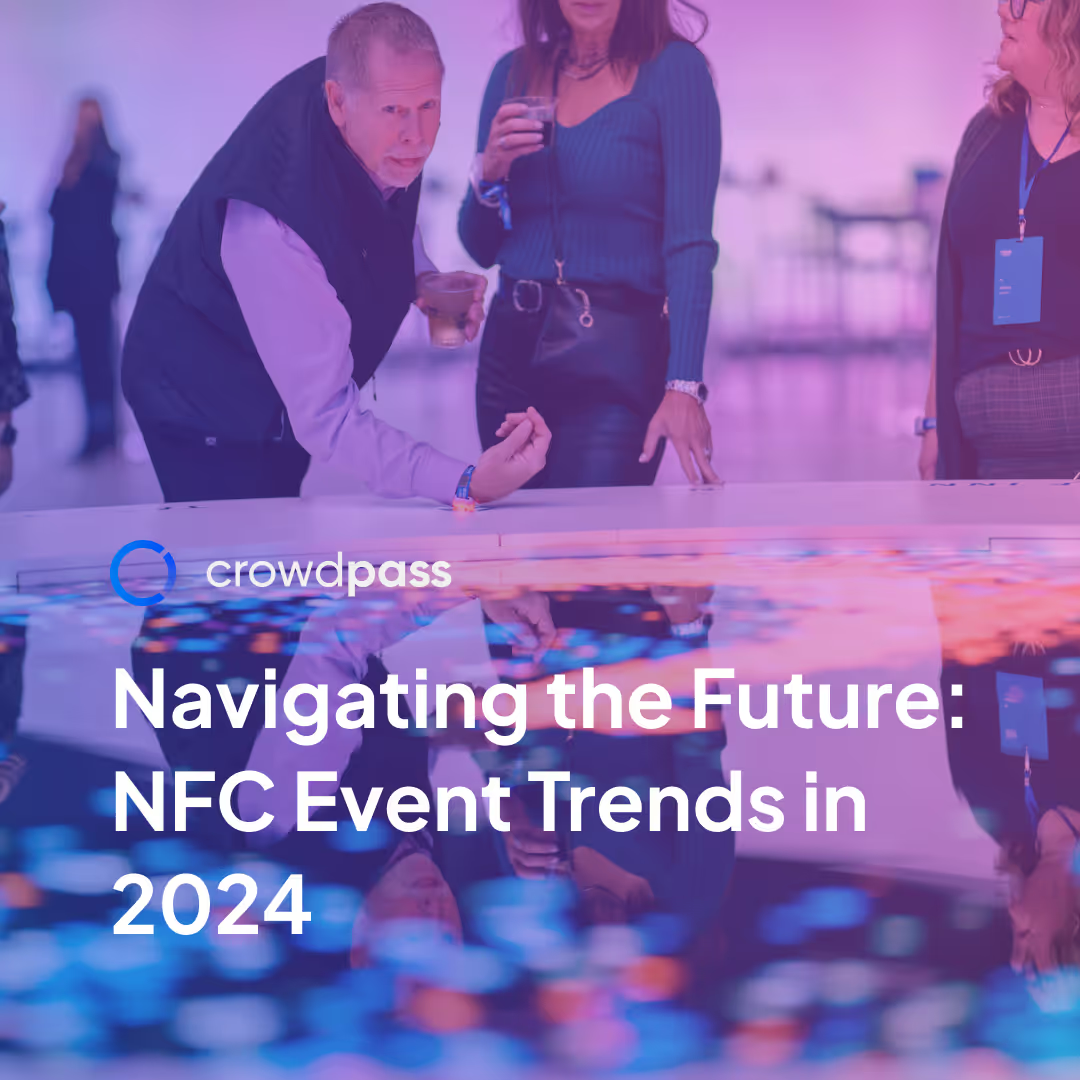
In the ever-evolving landscape of event technology, Near Field Communication (NFC) has emerged as a game-changer, transforming the way we experience and engage with events. As we step into 2024, NFC is shaping event experiences. Here are several trends poised to redefine the industry.
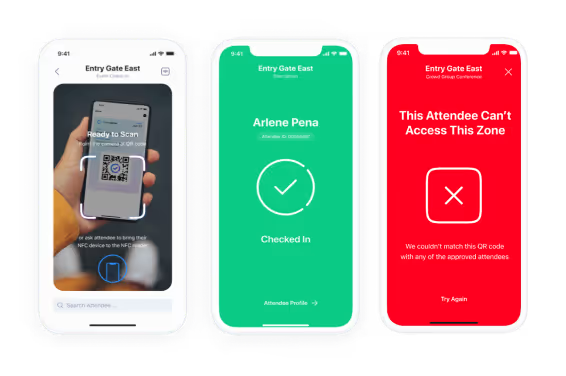
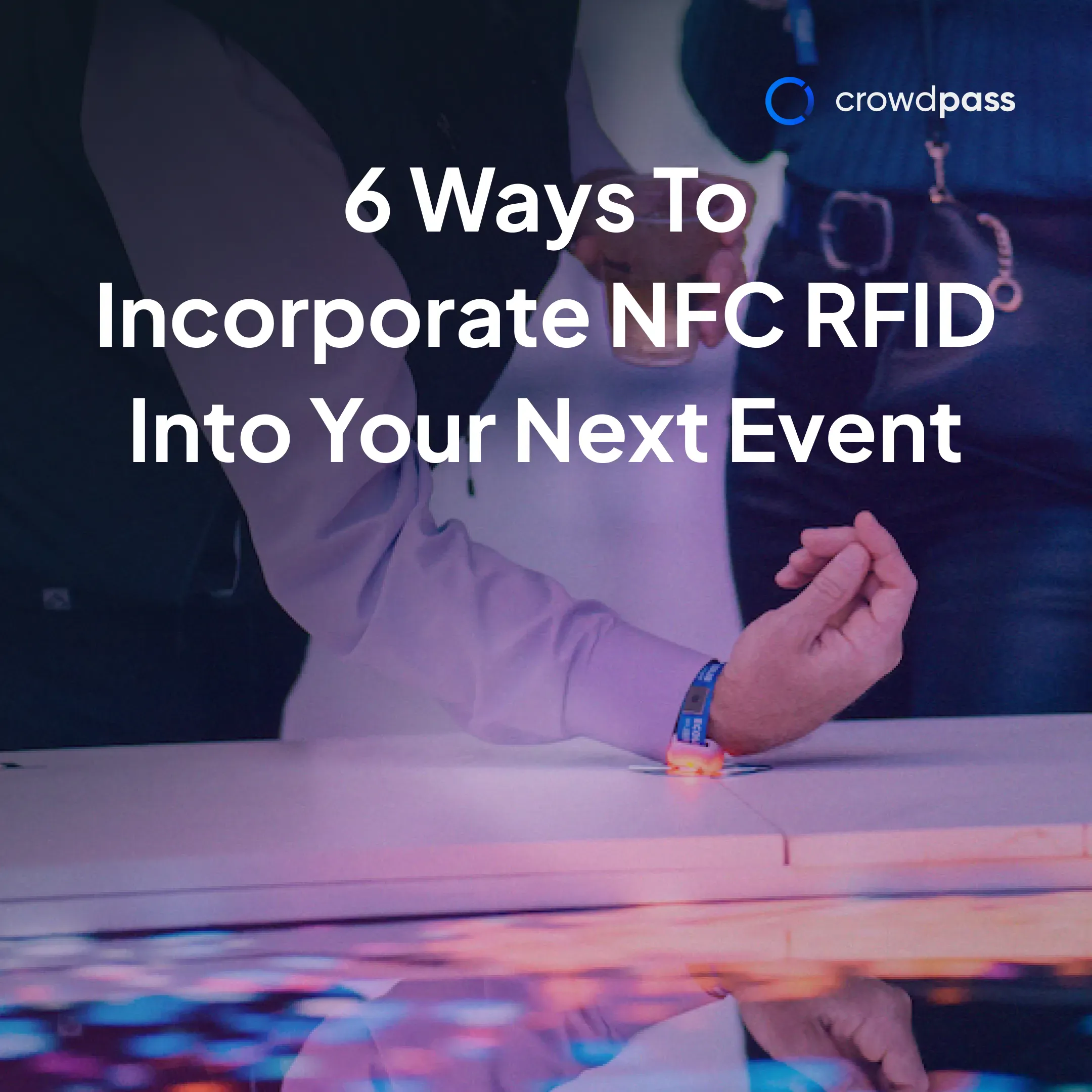
NFC Event Features
NFC Event Features

1. Seamless Registration and Access Control

  • Gone are the days of lengthy registration queues and paper tickets. In 2024, NFC is set to streamline the registration process, offering attendees a seamless and efficient check-in experience.
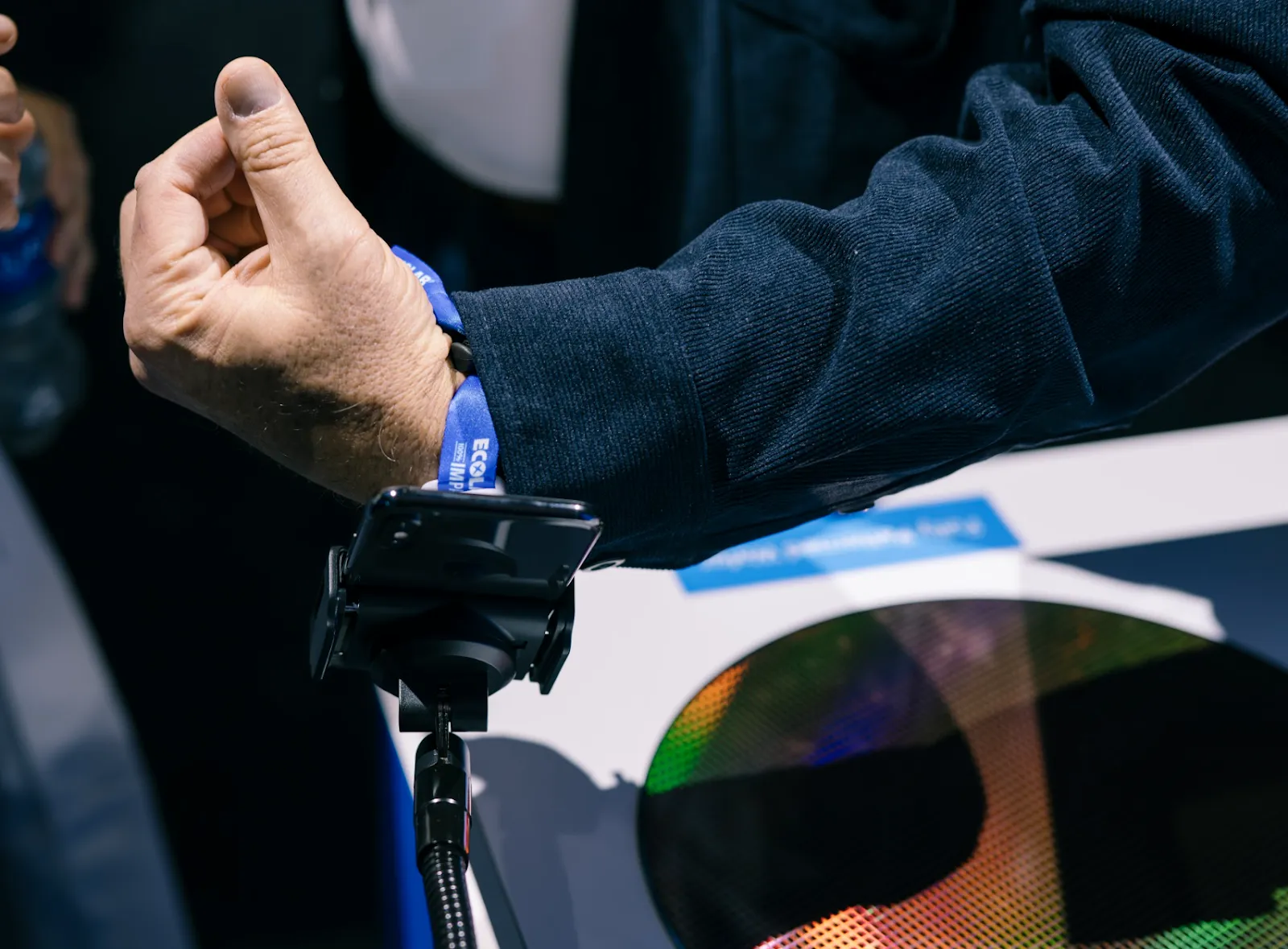
  • Attendees can simply tap their NFC-enabled devices or wearables at designated points, instantly gaining access to the event.
  • This reduces wait times and enhances overall event security through efficient access control.
  • 2. Interactive Exhibits and Attendee Engagement

  • By incorporating NFC technology into interactive displays, exhibitors can create immersive experiences.
  • Using NFC tech to engage in gamified experiences, not only adds an element of fun to the event but also fosters meaningful connections between attendees and exhibitors.
  • NFC wearables increase attendee engagement, giving attendees a personalized and dynamic event experience.
  • CrowdPass calls this immersive experience 'Tap to Play'.
  • 3. Networking Reinvented

  • NFC redefines networking by enabling seamless information exchange.
  • Attendees can exchange contact details, LinkedIn profiles, or even initiate conversations by a simple tap of their devices. Additionally, with CrowdPass NFC enabled lead retrieval, attendees can jot down notes about leads, enabling personalized future conversations.
  • NFC technology streamlines the networking process but also enhances the quality of connections made during the event.
  • 4. Cashless Payments, Food & Drink Tokens, & Enhanced Expenditure Tracking

  • Cashless payments using NFC technology have been gaining traction and 2024 will see a widespread adoption of this trend at events.
  • Attendees can link their payment information to their NFC-enabled devices, allowing them to make purchases with a simple tap.
  • This not only eliminates the need for physical cash but also provides event organizers with valuable data on attendee spending patterns, enabling targeted marketing strategies and improved event planning for subsequent years.
  • Additionally, CrowdPass enables event organizers to allocate set numbers of food and drink tokens automatically to attendee NFC wearables, allowing attendees to redeem tokens with a simple tap.
  • 5. Increased Sustainability

  • In an era of increasing environmental consciousness, NFC technology is set to contribute to more sustainable events.
  • The shift towards digital tickets and NFC-enabled devices reduces the need for paper, minimizing the environmental impact of events.
  • Event organizers can also use NFC technology to implement eco-friendly initiatives, such as digital event guides and lay-out maps.
  • Conclusion

    As we step into 2024, NFC technology will redefine the landscape of event experiences. From streamlined registration processes to immersive exhibits and enhanced networking opportunities, the trends in NFC events are indicative of a future where technology seamlessly integrates with human experiences. Event organizers, exhibitors, and attendees alike stand to benefit from the increased efficiency, engagement, and sustainability that NFC brings to the forefront of the events industry.
    Ready to upgrade your next event?

    Join thousands of event professionals who trust CrowdPass to deliver seamless, secure, and data-driven event experiences.