Introduction
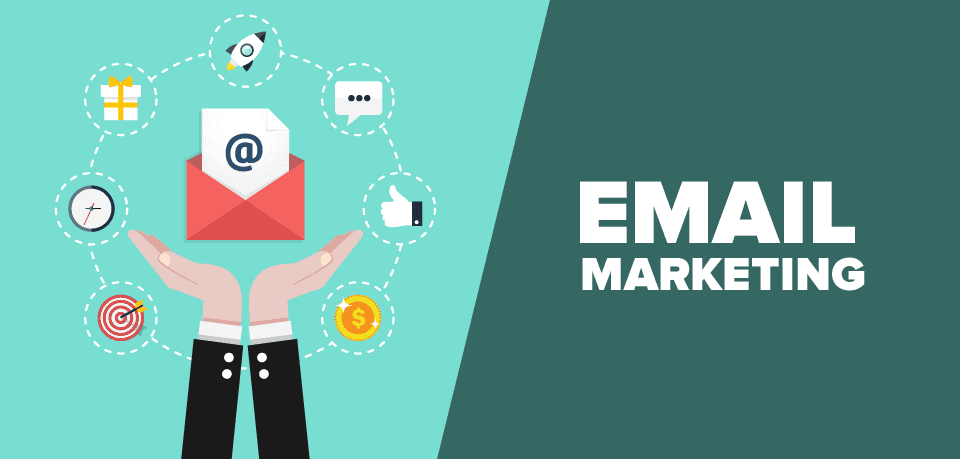
In the age of digital marketing, email remains a powerful tool for promoting events. When executed effectively, an email marketing campaign can engage your audience, boost event attendance, and drive conversions. However, with inboxes flooded daily, standing out can be challenging. Here are ten strategies to enhance the success of your event email marketing campaign.
1. Build a Targeted Email List
Start by building a quality email list comprising individuals genuinely interested in your event. Segment your list based on demographics, past attendance, or interests to send tailored messages. Quality over quantity should be your mantra.
2. Craft Compelling Subject Lines
The subject line is your first impression. It should be concise, intriguing, and relevant. Use personalization and action-oriented language to entice recipients to open the email.
3. Create Engaging Content
The email content should provide value and convey your event's unique selling points. Use clear and concise language, appealing visuals, and compelling calls to action (CTAs). Highlight speakers, sessions, or exclusive offers to spark interest.
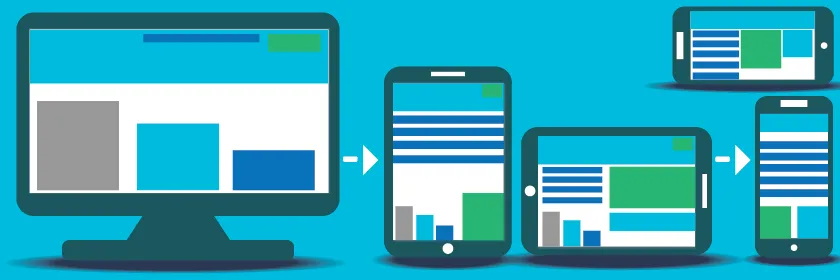
4. Mobile Optimization
With the majority of emails being opened on mobile devices, ensure your emails are mobile-friendly. Use a responsive design that adapts to various screen sizes and load times, creating a seamless experience.
5. Personalize Your Emails
Personalization goes beyond using the recipient's name. Tailor content to their interests and past interactions with your brand. Show recipients that you understand their needs and preferences.
6. Use Social Proof
Incorporate testimonials, reviews, or endorsements from past attendees or notable speakers. Social proof adds credibility and encourages trust in your event.
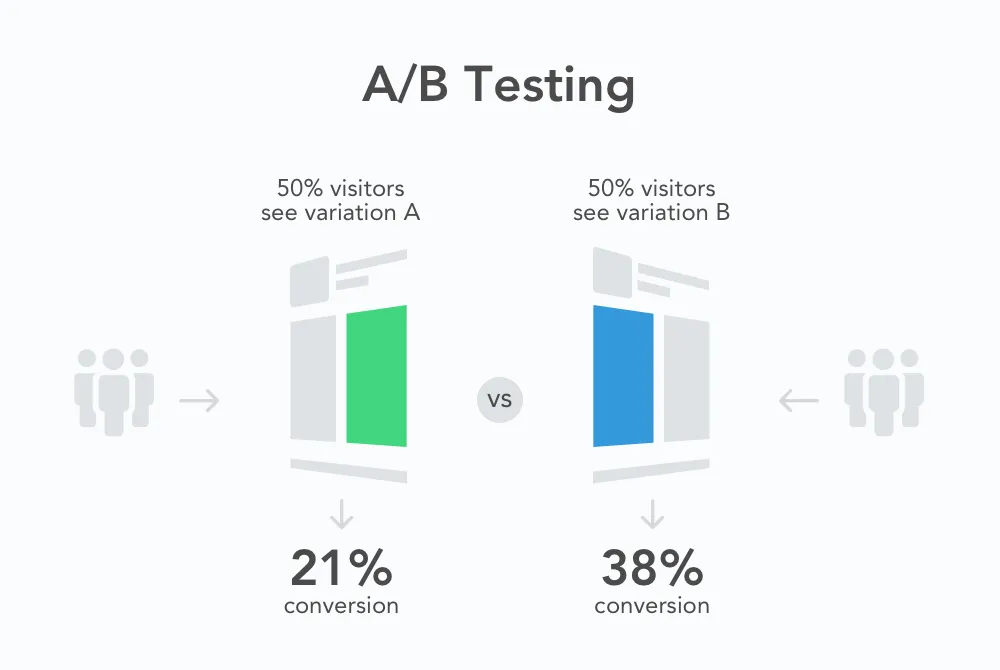
7. Implement A/B Testing
Experiment with different elements, such as subject lines, visuals, CTAs, and send times. A/B testing helps you identify what resonates best with your audience and fine-tune your emails accordingly.
8. Build FOMO (Fear of Missing Out)
Create a sense of urgency with limited-time offers or early-bird discounts. Highlight the benefits of attending your event and what attendees will miss if they don't register.
9. Leverage Automation
Use email automation to send timely reminders, confirmations, and follow-ups. Automating these processes ensures a consistent and personalized attendee experience.
10. Analyze and Iterate
After the campaign, analyze email performance metrics like open rates, click-through rates, and conversion rates. Identify areas for improvement and make data-driven adjustments for future campaigns.
Conclusion
Email marketing remains a valuable asset in your event promotion toolkit. By building a targeted list, crafting compelling content, personalizing messages, and leveraging data-driven insights, you can boost the success of your event email marketing campaign. Keep experimenting, refining your strategies, and adapting to changing audience preferences to ensure ongoing success in promoting your events.