A Guide to Setting the Perfect Ticket Prices
Planning an event is an exciting endeavor, whether you're organizing a music festival, a business conference, or a charity gala. One of the most critical decisions you'll make during the event planning process is determining the ticket prices. Striking the right balance is essential to ensure your event is both successful and profitable. In this blog post, we'll guide you through the process of setting ticket prices for your event, helping you make informed decisions that cater to both your attendees and your budget.
1. Know Your Costs
Before setting ticket prices, it's crucial to have a comprehensive understanding of your event's expenses. This includes venue rental, catering, marketing, entertainment, staffing, and any other costs associated with the event. Having a clear picture of your expenses will help you determine the minimum ticket price needed to cover these costs.
2. Identify Your Revenue Goals
Determine how much revenue you need to generate from ticket sales to make your event financially viable or profitable. Your revenue goals will depend on your event's objectives, whether it's to break even, generate income for a cause, or maximize profits. Having specific revenue targets will guide your pricing strategy.
3. Understand Your Target Audience
Your ticket prices should align with the expectations and financial capacity of your target audience. Consider factors such as demographics, income levels, and the perceived value of your event. For instance, a luxury gala aimed at high-net-worth individuals can command higher ticket prices than a community charity event.
4. Analyze Competitor Pricing
Research similar events in your industry or niche to see how they've priced their tickets. This can provide valuable insights into what attendees are willing to pay and help you position your event competitively. You can choose to price your tickets similarly, slightly above, or below your competitors, depending on your event's unique value proposition.
5. Offer Multiple Ticket Tiers
Providing various ticket tiers allows you to cater to a broader audience. For example, you can offer a basic admission ticket at a lower price point and premium tickets with added perks, such as VIP access, early entry, or exclusive experiences. This tiered approach accommodates different budget levels and maximizes revenue potential.
6. Consider Early Bird Pricing
Early bird ticket pricing incentivizes attendees to purchase tickets well in advance of the event. By offering discounted rates for early birds, you can generate early cash flow, create buzz, and encourage commitment from your audience. Be sure to clearly communicate when early bird pricing will expire.
7. Factor in Discounts and Promotions
Plan for discounts and promotions strategically. You can offer discounts for students, seniors, group bookings, or loyal customers. Promotions like "buy one, get one free" or limited-time offers can boost ticket sales during slow periods or generate buzz leading up to your event.
8. Calculate Break-Even Point
Determine the number of tickets you need to sell at various price points to cover your costs. Knowing your break-even point is crucial because it allows you to set realistic goals for ticket sales and assess the financial health of your event.
9. Test and Adjust
Don't be afraid to adjust your ticket prices if you notice that sales are not meeting your expectations. Analyze the data, gather feedback from potential attendees, and consider tweaking your pricing strategy. It's better to adapt as needed than to stick with a pricing model that isn't working.
10. Communicate Value
When marketing your event, highlight the value that attendees will receive for the price of their ticket. Whether it's world-class speakers, exclusive networking opportunities, or unforgettable entertainment, clearly communicate what sets your event apart and justifies the ticket price.
Conclusion
By thoroughly understanding your expenses, knowing your audience, and strategically pricing your tickets, you can maximize attendance and ensure the success of your event. Remember that pricing is not a one-size-fits-all approach, and flexibility and adaptability are key to achieving your event's objectives.
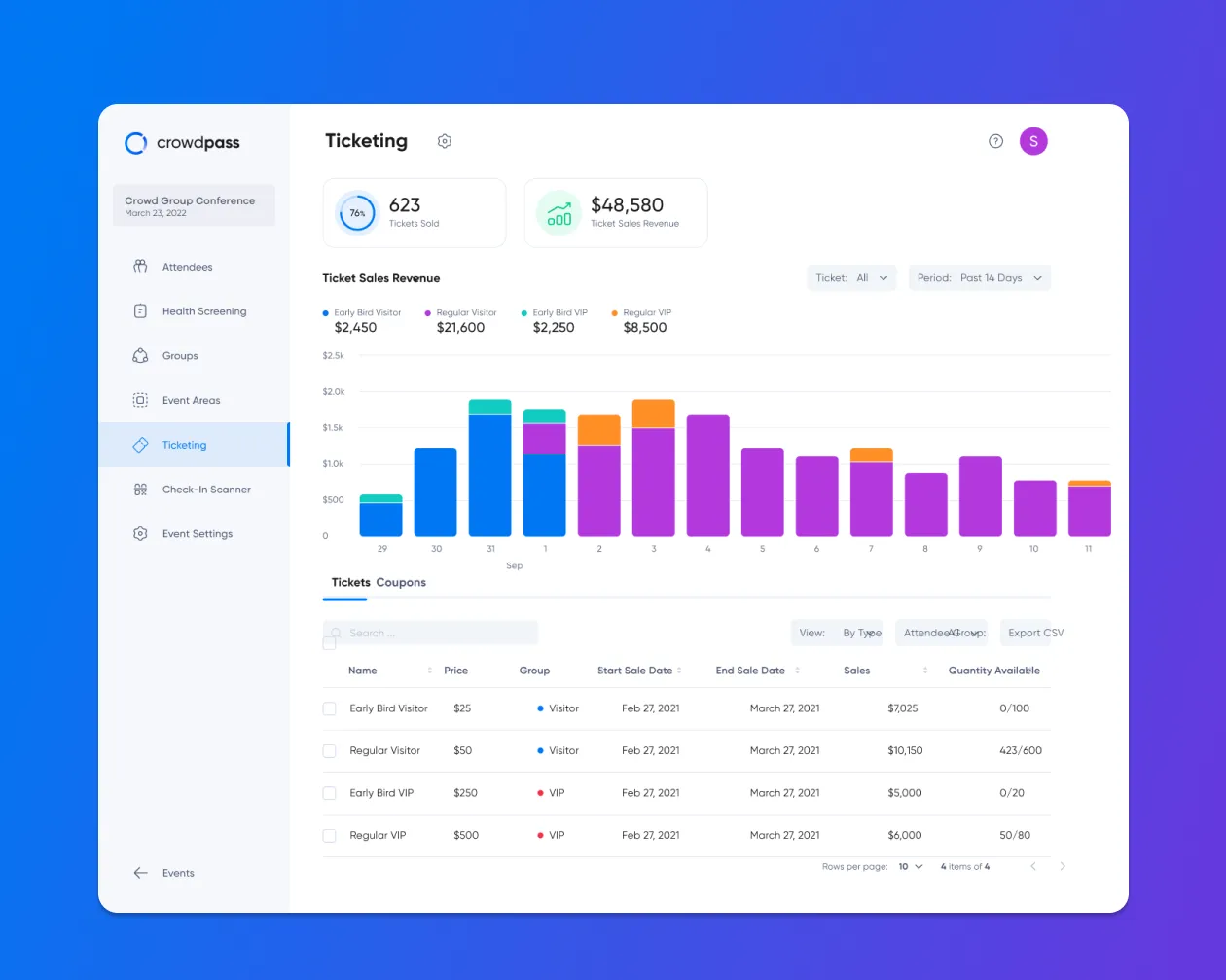
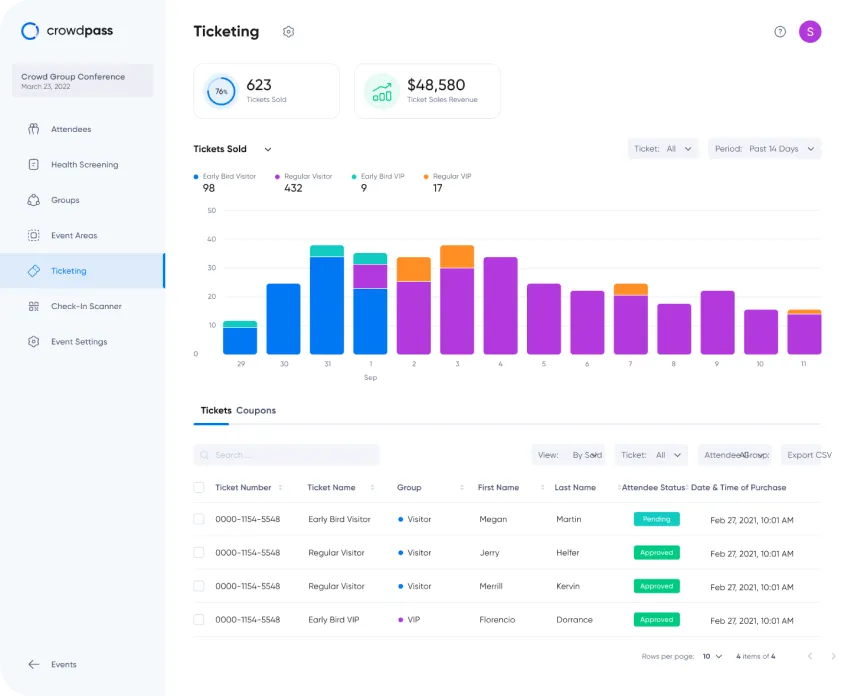
CrowdPass simplifies the ticket selling and distribution process, empowering organizers to manage ticket tiers, pricing, sale dates, and quantities for attendees. The platform enables attendees to purchase tickets with a seamless checkout experience, accepting major credit cards, Apple Pay, and Google Pay for swift digital wallet payments.